
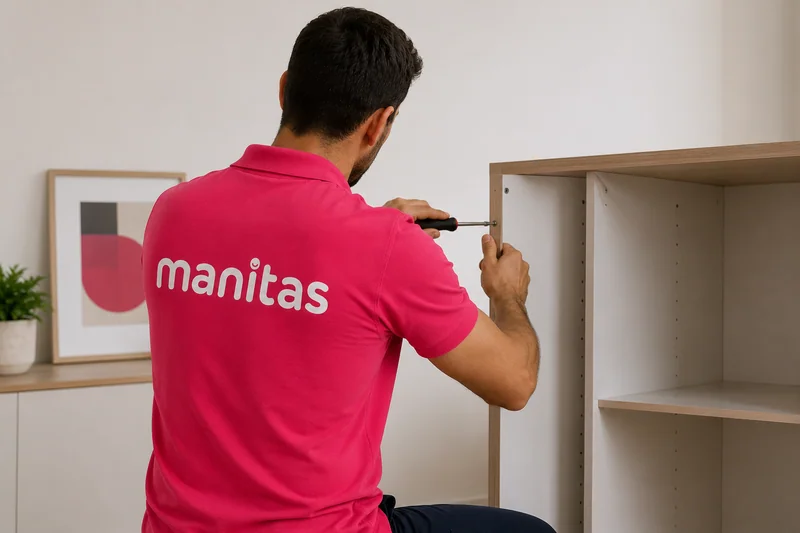
Clear access to the problem
Half the time lost on a visit goes on moving things. A unit in front of the access panel, a cupboard under the sink packed full, a car parked where the van needs to be.
If the work is in a bathroom or kitchen, empty the affected unit first. Ten minutes of your time is worth twenty of two people's.
Know where the stopcock and the consumer unit are
It is the question that most often goes unanswered. In a flat the main stopcock is usually in a bathroom cupboard, under the sink or out on the landing. In a house with a plot, next to the meter.
Find it while nothing is wrong. The day you actually need it, with water running, is not the moment to go looking.
Write down what happens before you forget it
When it started, how often it happens, whether there is a noise, whether it gets worse at certain times. A detail that seems minor, such as it only happening when the washing machine runs, can save an hour of diagnosis.
If you have a photo or a short video of the problem while it was happening, show it. Plenty of faults do not perform on demand the moment someone arrives.
Have the appliance paperwork to hand
For a boiler, an air conditioning unit or an appliance, the make and model determine the part. They are on a label on the unit itself, and a photo of that label when you call cuts the wait for a spare considerably.
If the appliance is under manufacturer warranty, say so upfront. In that case the official service is often what suits you, and we will say so rather than billing you for a repair.
And ask the price before, not after
Ask about the call-out charge, about the surcharge if it is out of hours, and whether the diagnosis comes off the repair. Three thirty-second questions that head off the one genuine nasty surprise in this trade.
Anyone unwilling to answer them on the phone is telling you something.