Wood, aluminium and PVC do not move the same way
A wooden door absorbs moisture and swells: with the first rain, the edge that caught slightly starts to catch properly. That is the material doing what it always does.
Aluminium and PVC do not swell, but they contract in the cold, which throws the ironmongery out and changes the pressure on the seal. In both cases the symptom is identical and the cause is the opposite.
The paper test for the seal
Close the window onto a sheet of paper and pull. If it slides out with no resistance, the seal is no longer compressing at that point, and that is where the air comes in.
Repeat at three or four points around the perimeter. If it pulls out easily at the top and grips at the bottom, it is not the seal: the sash has dropped and only needs a hinge adjustment.
What gets adjusted with nothing replaced
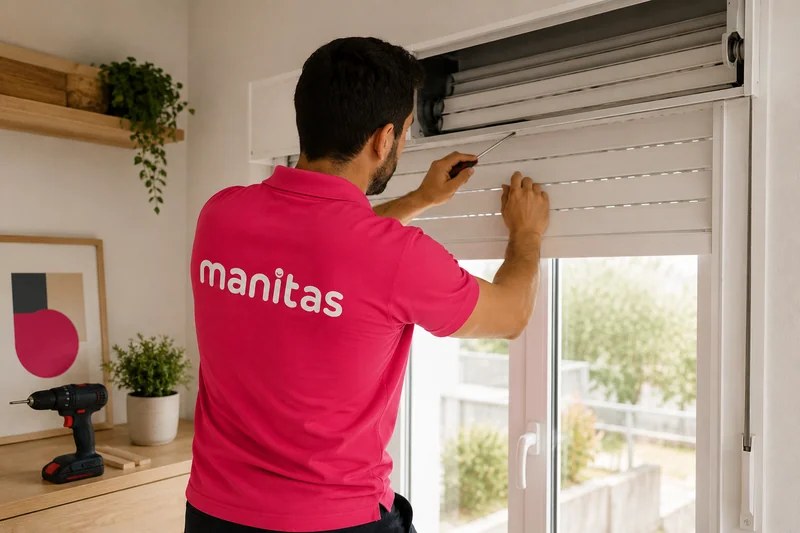
Almost all aluminium and PVC windows have adjustment at the hinges or the rollers: raise, lower and set the closing pressure with an allen key.
On a slider the problem is usually dirty or worn rollers. Cleaning the track and setting the height restores a smooth close, with no need to touch the glass or the frame.
What is worth a closer look
If the door or window began catching suddenly, with no change of season involved, look at the frame: a diagonal crack from a corner points to structural movement, and that is no longer joinery.
And if a front door is hard to close while the key also turns stiffly, the part suffering is the cylinder. Forcing it a little every day is what ends with a key snapped inside, usually at the worst moment.
Why do it now
A window that does not compress its seal lets cold air through all winter, and the heating compensates without anyone noticing. The adjustment costs one visit; the draught costs four months of bills.
And in a property that is shut up over winter, those same windows are the ones that need to open properly for ten minutes of daily ventilation. It helps if they open.